Camden Market rubbish removal guide for stall owners NW1
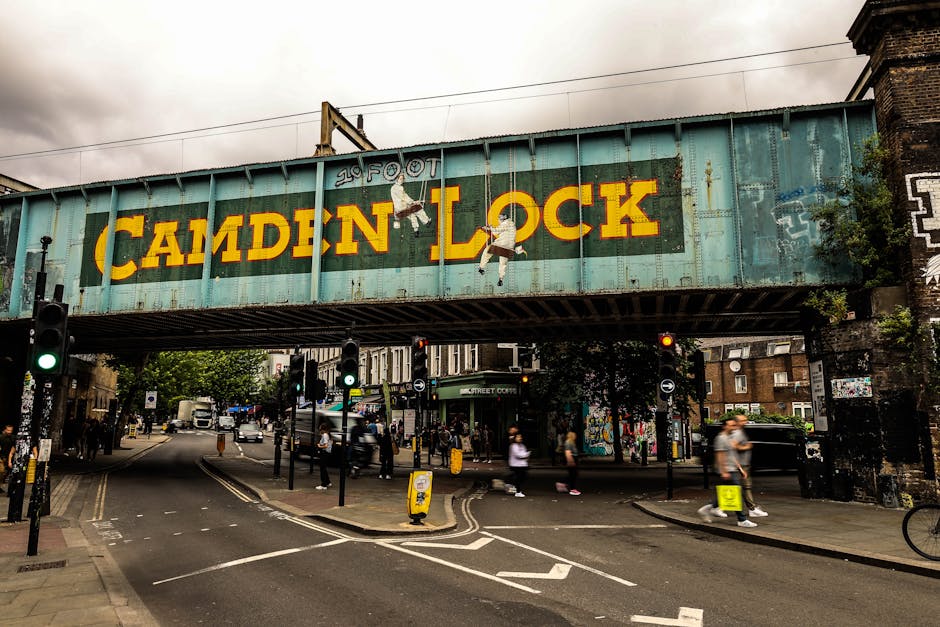
If you run a stall in Camden Market, you already know waste has a habit of building up fast. A few cardboard boxes here, food packaging there, a broken display shelf by closing time, and suddenly your pitch looks untidy before you have even finished the day. This Camden Market rubbish removal guide for stall owners NW1 is here to make the whole job simpler, safer and far less stressful. It covers what to do, what to avoid, and how to keep waste moving without getting in the way of trading.
Let's face it: market life is busy enough without waste becoming another headache. The good news is that with a clear system, the right timing, and a sensible approach to recycling and disposal, stall owners can keep their space clean, professional and compliant. You will also save time, which on a busy trading day is worth its weight in gold.
Why Camden Market rubbish removal guide for stall owners NW1 Matters
Camden Market is not the sort of place where waste can be left to "sort itself out later". Space is tight, footfall is high, and a messy stall can spill into the customer experience almost immediately. A pile of broken boxes or overfilled bags does not just look bad; it can get in the way of trading, create trip hazards, and make stock handling awkward. On a wet London morning, it can turn into a slippery, soggy nuisance as well. Not ideal.
For stall owners in NW1, rubbish removal matters for three big reasons: presentation, safety and efficiency. Presentation because customers notice cleanliness straight away. Safety because clutter can block walkways, create fire risks, or make unloading harder. Efficiency because if waste is not managed properly, you spend more time dealing with mess than selling your products.
There is also a wider reputation angle. In a market environment, each stall contributes to the feel of the whole space. One badly managed pitch can make nearby traders look less organised too. That is just how people experience public places; they do not separate each stall in their heads as neatly as owners might hope.
If you want a broader sense of how commercial waste services are usually structured, the business waste removal page is a helpful place to start. It gives you a useful baseline for what regular commercial clearance can cover and how a professional collection can fit around day-to-day trading.
How Camden Market rubbish removal guide for stall owners NW1 Works
In practical terms, rubbish removal for a market stall is about separating waste into manageable streams and clearing it at the right time. That sounds obvious, but in real life it takes a bit of planning. Most stalls generate a mix of cardboard, plastic wrapping, food-related waste, broken items, old packaging, and the occasional bulky piece that just will not fit into a bin bag. A good system prevents all of that from merging into one chaotic pile.
The process usually works like this:
- Sort waste as you go. Keep recyclable items separate from general rubbish where possible.
- Store waste safely during trading. Use bins, sacks or compact containers that do not block customer flow.
- Clear waste at the right time. Ideally, do this before build-up becomes difficult to handle.
- Use the right disposal method. Some items are fine for general collection, while others need specialist handling.
- Document the basics. Keep records if you handle larger volumes or regular commercial waste streams.
The trick is not to treat waste as an end-of-day panic task. If you wait until the stall is heaving with boxes and broken display materials, it becomes slower and more stressful. Small, regular clear-outs usually work better. Truth be told, the "I'll deal with it later" method rarely ages well.
For larger load-ups, awkward items or mixed waste that need more than a standard bin collection, a professional waste removal service can be the simplest route. It is especially useful when you need a quick, tidy clearance without turning the back-of-house area into a temporary storage shed.
Key Benefits and Practical Advantages
A well-run rubbish removal setup does more than keep the stall tidy. It changes the rhythm of the working day. You notice it most when things are busy. There is less scrambling for spare bags, less awkward stacking behind tables, and fewer chances of waste becoming part of the customer-facing area.
Here are the main benefits stall owners tend to value:
- Cleaner presentation: customers see a stall that feels organised and cared for.
- Better safety: fewer trip hazards, blocked exits or unstable stacks of packaging.
- Less clutter behind the scenes: staff can move and restock more easily.
- Faster reset between trading periods: the stall is easier to clean down at the end of the day.
- More reliable recycling: cardboard, plastics and reusable materials are easier to separate.
- Less stress: you are not improvising every time waste builds up, which is more common than people admit.
There is also a commercial benefit that is easy to underestimate. A neat stall tends to feel more trustworthy. It signals that you look after your stock, your display and your space. Customers may not say it out loud, but they do register it.
For traders handling old stock, worn display units or bulky fittings, it may help to look at related specialist services such as furniture disposal or furniture clearance. These can be useful when your rubbish is not just "rubbish" but a mix of unwanted fixtures and shopfitting items.
Who This Is For and When It Makes Sense
This guide is aimed at stall owners in and around Camden Market NW1, but it is also useful for anyone running a small trading pitch, pop-up stand or semi-permanent market space where waste volumes fluctuate through the day. If you sell clothing, food, homeware, art, vintage goods or handmade products, your waste profile will look slightly different, but the same basic principles apply.
It makes sense to get a proper rubbish removal routine in place if you notice any of the following:
- cardboard and packaging are building up faster than you can flatten it
- you keep running out of bin space on busy days
- bulky items are being stored "temporarily" for too long
- your stall looks cluttered at opening time because waste from the previous day is still hanging around
- you have seasonal spikes and need occasional larger clearances
- you want to improve recycling without slowing down trading
To be fair, many stall owners only realise they need a better system after a couple of bad days. The bins overflow, the cardboard gets wet, and the back area starts to smell a bit like old packaging and rainwater. That is usually the moment people decide it is time to be more organised.
If your stall also deals with office paperwork, receipts or customer records, then confidential handling can matter too. In that case, confidential shredding may be relevant alongside your regular waste routine.
Step-by-Step Guidance
Here is a practical way to organise rubbish removal without overcomplicating it.
1. Map the waste you actually create
Start by listing the types of waste your stall produces in a normal week. Cardboard? Food waste? Plastic film? Broken hangers? Polystyrene? Old signage? Knowing this helps you choose the right containers and avoid using a one-size-fits-all approach that never quite works.
2. Separate waste streams early
Do not let recyclable cardboard get mixed with food waste, damp paper or general rubbish. Once items are mixed, they are harder to recycle and more expensive to deal with. A few extra seconds at the point of disposal can save a lot of faff later.
3. Keep a clear holding area
Even a small stall needs a designated space for waste bags, flattened cardboard and bulky items waiting to go. That space should be safe, out of customers' way and easy for staff to access. It should not become an unofficial storage corner. We all know how that ends.
4. Schedule clear-outs around trade
Choose timings that suit your trading pattern. Some stalls need a pre-opening sweep; others do better with a mid-day emptying point or an after-close collection. The right timing keeps waste from spilling into your customer area during the busiest hours.
5. Use the right service for awkward items
Bulky items, damaged fixtures and mixed loads often need more than a basic bin lift. If you are clearing stockroom items, worn seating, broken counters or display units, services such as fridge and appliance removal or mattress and sofa disposal may be relevant depending on what you are shifting.
6. Review what happened after busy periods
After a market weekend, take ten minutes to check what went wrong and what worked. Did the cardboard pile up near the entrance? Were the bags too small? Was your collection timing off? Small adjustments make a real difference.
Simple, really. But simple is often what works best.
Expert Tips for Better Results
After you have handled enough market clearances, you start to notice patterns. The stalls that stay tidy usually do a few small things consistently rather than one big thing occasionally.
- Flatten cardboard immediately. It saves a surprising amount of space.
- Use sturdier bags than you think you need. Cheap bags split at exactly the wrong time.
- Label waste points internally. Staff move faster when they know what goes where.
- Keep wet and dry waste separate where possible. Wet waste is heavier, messier and harder to handle.
- Book collections before busy events. Don't leave it until the market is at full tilt.
- Build a five-minute closing routine. It sounds small, but it prevents bigger problems later.
One practical insight: if your stall regularly produces bulky packaging or display waste, think about clearance frequency before you think about container size. Bigger bags are not always the answer. Sometimes the better solution is a more frequent removal cycle.
And yes, you do sometimes have to speak to staff about folding boxes properly. It is never the most glamorous part of running a stall, but it matters. A lot.
For general planning around what can go into larger mixed loads, you may also find what can go in a skip useful as a reference point, especially when you are deciding whether an item is suitable for standard disposal or needs special handling.
Common Mistakes to Avoid
Most waste problems at market stalls do not come from one huge error. They come from lots of small decisions that quietly add up. Here are the ones worth watching out for.
- Leaving waste until the end of the week: by then it is heavier, messier and more awkward to deal with.
- Mixing recyclables with general waste: this makes separation harder and can reduce recycling efficiency.
- Ignoring bulky items: a broken display unit is still waste, even if it is tucked in the corner.
- Using the wrong collection method: some waste needs specialist disposal, not a quick bin empty.
- Blocking walkways or fire routes: this is not just untidy; it can create real safety issues.
- Assuming "someone else will sort it": in a busy market, that assumption causes trouble fast.
One thing that often catches people out is seasonal change. A summer trading pattern can create a very different waste mix from winter. Wet packaging, umbrellas, soaked paper and heavier clothing stock all change how the stall needs to be managed.
If you are dealing with furniture, fittings or office-style items as part of a move, refresh or downsizing, check the relevant service options early. It is much easier than trying to improvise mid-clearance while customers are arriving.
Tools, Resources and Recommendations
You do not need a complicated setup to manage stall waste well. A few practical tools go a long way.
- Heavy-duty waste sacks: useful for mixed general waste and sturdier loads.
- Cardboard flattening knife or box cutter: helps reduce bulky packaging volume.
- Labelled bins or tubs: makes separation faster for staff.
- Gloves: basic, but worth having for handling rough or dirty materials.
- Small trolley or sack truck: useful if waste needs moving a short distance.
- Checklists for opening and closing: these stop waste tasks being forgotten when the day gets hectic.
For larger or recurring clearances, it helps to use a provider that is clear about pricing, payment and security rather than one that leaves everything vague until the end. The pages on pricing and quotes and payment and security are useful if you want to understand how a service might be structured before you book.
If your waste involves mixed commercial items, or you are dealing with a full stall refresh, it can also be worth looking at commercial waste collection for businesses alongside any specialist clearance you need. Different jobs sometimes need different handling, and that is perfectly normal.
Law, Compliance, Standards and Best Practice
Waste handling for stall owners is not only about tidiness. There are also general UK expectations around duty of care, safe handling and proper disposal. The exact requirements depend on the waste type and the way your business operates, so it is wise to stay cautious and avoid guesswork.
As a rule of thumb, you should:
- keep waste securely stored so it does not create hazards
- separate recyclables where practical
- avoid mixing hazardous or contaminated materials with general rubbish
- use reputable collection methods for commercial waste
- retain relevant records if your waste handling process requires them
If your stall generates anything potentially hazardous, sharp, oily, chemical, or electrically risky, do not throw it into general rubbish out of convenience. That is exactly the kind of shortcut that causes bigger problems. For those situations, a specialist route such as hazardous waste disposal is the safer option.
Health and safety matters too. A crowded market space leaves very little margin for error, so good waste practice should support clear walkways, stable stacking and sensible manual handling. If you want to see how a provider approaches safety in general terms, the health and safety policy and insurance and safety information can help build confidence before you arrange a collection.
Where there is uncertainty, keep it simple: separate what you can, isolate what you should not mix, and ask for proper handling of anything awkward. That is usually the safest approach.
Options, Methods, or Comparison Table
Different stall setups suit different waste solutions. The right choice depends on how much waste you create, how often it appears, and whether it is mainly light packaging or bulky mixed material.
| Method | Best for | Advantages | Trade-offs |
|---|---|---|---|
| On-stall sorting and bagging | Small, regular waste streams | Cheap, simple, easy to train staff on | Can overflow if not emptied often enough |
| Scheduled commercial waste collection | Recurring business waste | Predictable, tidy, suitable for routine trading | Needs planning around opening hours |
| One-off clearance | End-of-season resets, refurbishments, stock changes | Fast removal of mixed items and bulky clutter | Not ideal for ongoing daily waste alone |
| Specialist disposal | Appliances, hazardous or awkward materials | Safer handling for non-standard items | May need extra identification of item types |
For many stall owners, the best setup is a combination: routine waste sorting during trade, plus periodic professional clearance when the load gets bigger or more awkward. That hybrid model keeps things under control without overpaying for unnecessary collection frequency.
Case Study or Real-World Example
Imagine a small clothing stall that trades five days a week. Each day produces a steady mix of garment packaging, cardboard, damaged hangers and the odd broken display piece. At first, the owner uses one general bin and leaves flattening boxes until closing. By Friday, the back area is cramped, bags are overflowing, and the stall feels harder to work in than it should.
After changing the routine, the team starts flattening cardboard as soon as stock is unpacked, uses separate sacks for general waste and recyclable packaging, and books a larger removal when stock rotation is heavy. The result is not dramatic, but it is noticeable. The stall opens cleaner, staff move more easily, and end-of-day reset takes less time. Even a slightly better system can make the whole week feel calmer.
That is the real point. Waste management does not have to be flashy to be effective. It just needs to be consistent.
In another common scenario, a food trader may need stricter segregation because packaging, food residues and occasional cleaning waste behave differently. The right plan there is usually more careful, a bit more frequent, and more focused on keeping odours and spills under control. A quiet ten-second wipe now can save a noisy, unpleasant clean-up later. Nobody enjoys that at 8 a.m.
Practical Checklist
Use this checklist before, during and after trading to keep rubbish under control.
- Have a clear waste point at the stall
- Keep recyclables separate from general rubbish
- Flatten cardboard as soon as it is empty
- Use strong bags and replace them before they overfill
- Make sure waste never blocks customer access or staff movement
- Set a fixed time for end-of-day clearing
- Identify bulky, hazardous or awkward items early
- Review waste levels after busy market days
- Keep collection details organised for recurring clearances
- Choose the right disposal method for each waste type
Expert summary: the cleanest stalls are not the ones that produce the least waste; they are the ones that handle waste steadily, quietly and before it gets out of hand.
If you want a practical next step, many stall owners find it helpful to compare routine collection with one-off clearance. That is often the point where the whole plan becomes much clearer.
Conclusion
Good rubbish removal is part of running a successful stall, not an afterthought. For Camden Market stall owners in NW1, the goal is simple: keep waste controlled, keep the pitch safe, and keep the customer experience tidy from opening until close. Once you have a routine that matches your real trading pattern, everything gets easier. Less scrambling, less clutter, fewer surprises.
Start small if you need to. Separate waste better, clear it earlier, and book help for the awkward jobs instead of letting them linger. The difference may sound minor from the outside, but on a busy market day it really shows.
Get a free quote today and see how much you can save.
If you are ready to tidy up your trading space and make waste one less thing to worry about, explore the service options that fit your stall and keep the process straightforward.
Frequently Asked Questions
What is the best rubbish removal approach for a Camden Market stall?
The best approach is usually a mix of on-stall sorting, regular end-of-day clearing and occasional professional removal for bulky or awkward items. That keeps the pitch tidy without overcomplicating the workflow.
How often should stall owners arrange waste removal?
It depends on trading volume. Busy stalls may need daily or near-daily collection, while smaller pitches may only need regular scheduled removal plus occasional one-off clearances during seasonal peaks.
Can cardboard and packaging be recycled from a market stall?
Often, yes, provided the cardboard is clean and dry enough to be accepted in the relevant recycling stream. Once it gets wet, greasy or mixed with food waste, recycling becomes much harder.
What should I do with bulky items like display units or old shelving?
Bulky items should be set aside early and removed using a suitable clearance method. They should not be left to pile up behind the stall or mixed into general bags where they can cause damage or handling issues.
Do Camden Market stall owners need special waste handling for hazardous items?
If a stall produces hazardous, sharp, chemical or otherwise risky materials, those items should be handled separately and never placed into general rubbish. Specialist disposal is the safer route.
Is it better to use bags, bins or a professional collection service?
Usually it is a combination. Bags and bins work well for day-to-day waste, while professional collection is more practical for recurring business waste or larger clear-outs.
How can I stop waste from making my stall look messy?
Flatten boxes quickly, keep separate containers for different waste types, and set a fixed clearing routine. Small, regular tidy-ups make a huge difference to presentation.
What are the biggest mistakes market stall owners make with rubbish?
The most common mistakes are leaving waste too long, mixing recyclables with general rubbish, ignoring bulky items and allowing waste to block walkways or storage space.
Can waste removal be scheduled around trading hours?
Yes, and that is usually the sensible way to do it. Collections should be arranged to avoid your busiest customer periods and to minimise disruption to trading.
How do I know whether I need business waste removal or a one-off clearance?
If you have steady, recurring waste, business waste removal is often the better fit. If you are clearing a stockroom, refreshing fixtures or dealing with a sudden build-up, a one-off clearance is usually more suitable.
What should I do with old appliances, fridges or similar items?
These items need specific handling. They should be separated from normal rubbish and dealt with through an appropriate specialist service rather than treated like ordinary waste.
How can I make waste handling easier for staff?
Use a simple, repeatable system: label the waste points, keep bags and containers in the same place, and make end-of-day clearing part of the closing routine. A bit of consistency saves a lot of back-and-forth.