Commercial Waste in Camden Town
Commercial waste in Camden Town needs a service that is straightforward, well organised and suited to busy premises. We collect and remove business waste from shops, offices, studios, cafés, workshops and shared buildings, helping customers clear everyday rubbish, bulky items and mixed loads without disrupting the working day. The focus is on sensible handling, clear communication and disposal that matches the type of waste involved, so materials can be separated, moved and processed with care.
For many businesses, the practical issue is not simply getting waste taken away, but making sure it is dealt with in a way that fits the site. We handle collections for regular and one-off requirements, including items left after refits, office changes, storage clear-outs and routine accumulated rubbish. If you need a simple way to reduce clutter and keep work areas usable, this service is designed to support that goal without overcomplicating the process.
When you are ready to compare options and request a quotation, the easiest next step is to gather a brief description of the waste and the access conditions. A clear enquiry makes it easier to match the work to the right collection approach. You can also review our service details first and decide what level of support your premises need before making contact.
Business waste collections for day-to-day operations
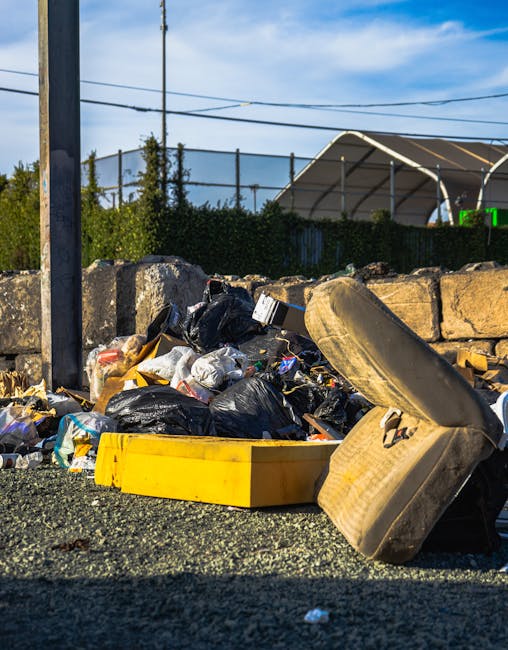
Business premises generate a wide range of waste, and it is often mixed rather than neatly separated. That can include packaging, paper, broken fixtures, unwanted office items, display materials and general rubbish from normal trading. A reliable collection service helps keep these items moving out of the workplace before they take up valuable space, block store rooms or interfere with staff movement. The aim is to remove waste in a practical way that supports day-to-day running rather than adding more admin.
Our approach to business waste removal is suited to both regular accumulation and occasional larger clearances. Smaller loads can be managed alongside routine operations, while bigger collections may suit closures, moves, refurbishments or stock changes. If your requirements are more specialised, it is sensible to separate recyclable material, general rubbish and any items that need distinct handling before you request a quote. That gives a better basis for planning the collection.
Office waste and workplace clear-outs
Offices often need more than a standard bin emptying service. Old chairs, desks, filing cabinets, monitors, archive boxes and mixed paper waste can build up over time, especially where teams are moving desks, changing layouts or clearing storage. Our office waste service supports that kind of practical change by removing unwanted items from workspaces and helping staff regain room for the things they still use.
Where the waste comes from a workplace rather than a domestic property, it is useful to think about both the items themselves and the route they will take through the building. Narrow corridors, lifts, reception areas and shared entrances can affect how a collection is carried out. Good planning reduces disruption, so it helps to note access details, the approximate amount to be removed and whether any items are awkward to move. For larger clear-outs, a short list of what is included can keep the job orderly.
After the obvious furniture and equipment have gone, many offices are left with smaller mixed items that are easy to overlook. Cables, accessories, folders, fixtures and packaging often remain in cupboards or under desks. We can deal with these as part of a broader office clearance, provided the materials are suitable for the service requested. For a more accurate quotation, tell us what is to be removed and whether the job is limited to a single room, one floor or a fuller workplace clearance.
Bulky items, fixtures and specialist disposal
Some commercial waste jobs are about more than bags and loose rubbish. Furniture, appliances, display units and other bulky items can require a more careful lifting and loading plan. That matters in shops, cafés, studios and offices where floor space may be tight or where access needs to remain clear for customers and staff. A practical collection service helps move these items safely while keeping the premises workable during the process.
If your waste includes a mix of large and small items, it is usually best to think through which pieces are being kept, dismantled, recycled or removed outright. That makes it easier to separate items that can be collected as part of a general clearance from those needing a different treatment. Where suitable, we can remove items from inside the property and load them as part of the same visit, reducing the need for you to move heavy objects yourself.
What helps a commercial quotation go smoothly
A well-prepared enquiry saves time and avoids confusion. It is helpful to describe the type of premises, the main kinds of waste and whether access is straightforward or restricted. Photos can be useful when items are bulky or the volume is hard to judge, and a short inventory can help if you are clearing a storeroom, office or trading area. If there are time windows to work around, mention them early so the collection can be considered properly.
Useful details include:
- the general type of business waste involved
- whether items are loose, bagged or bulky
- how the waste is stored or stacked
- any stairs, lifts, parking or access limits
- whether the job is a routine removal or a larger clearance
General waste, recycling and sensible sorting
Commercial waste is rarely made up of one simple material. A premises may produce paper, cardboard, plastics, light fixtures, packaging, damaged stock and general rubbish in the same week. Sorting this thoughtfully can improve the way the collection is handled and may make the overall process more efficient. The key point is to separate what can be treated differently from what needs general removal, especially if your business already keeps recyclables apart from residual waste.
We can collect mixed loads where the items are suitable for this kind of service, and we can also work with customers who prefer to group materials before removal. A clean, orderly load is easier to assess and easier to move, but it is not essential for every job. If the waste includes items with different handling needs, identify them before the visit so the collection can be arranged around those distinctions rather than guessed on the day.
Recycling is only one part of the picture. Businesses also need to think about how waste is stored before collection, particularly where stock rooms or shared yards are involved. Containers, sacks and stacks should be stable and reachable, and anything fragile or sharp should be packed with care. If you are unsure how to describe the load, a short written note is usually enough to begin the quotation process.
About Camden Town
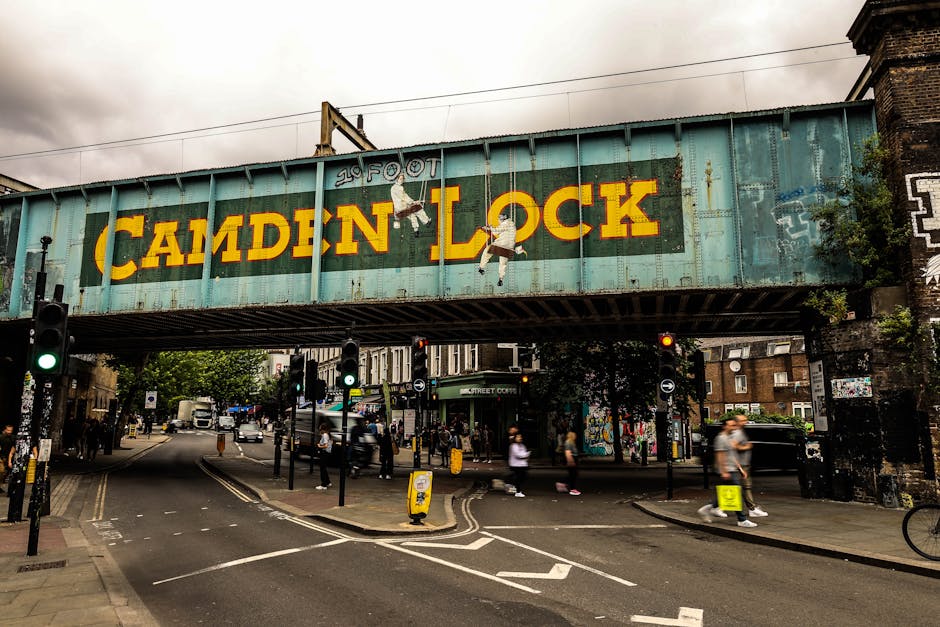
Camden Town is a district in north London within the London Borough of Camden, long associated with the Regent’s Canal, the railway corridor through the area and the busy junctions around Camden High Street. It grew rapidly in the nineteenth century after the opening of the Regent’s Canal and the arrival of the railways, both of which changed the character of what had previously been more open land and smaller settlements to the north of the West End. The district takes its name from Charles Pratt, 1st Earl Camden, whose title was linked to the wider area. Today the place is known for a dense urban streetscape, a strong mix of uses and a well-established market culture. Camden Market and the wider network of market halls and stalls have become part of its identity, drawing trade and visitors to the canal-side and street-front spaces. The area is also notable for nearby cultural and leisure landmarks such as the Roundhouse, a former railway engine shed turned performance venue, and for the network of routes leading toward Regent’s Park, Mornington Crescent and Kentish Town. The built environment combines terraces, commercial frontages, waterways, railway infrastructure and later redevelopment, giving Camden Town a layered character that reflects repeated change over time. The district remains closely linked to transport access, with Camden Town underground station standing at the centre of local movement, while the canal towpaths and surrounding streets continue to shape how the area is used. Its history, architecture and commercial life make it one of the most recognisable parts of inner north London.
Housekeeping for busy premises and changing sites

Commercial waste collection is often easiest when the site is ready for loading. That does not mean everything must be perfectly arranged, but simple preparation can help the visit proceed efficiently. Keeping waste in one area, clearing a path to it and identifying anything that should not be removed are all practical steps. If the job is part of a move or refurbishment, it can also help to separate what is staying on site from what is being cleared, especially when multiple teams are working in the same space.
For businesses with changing needs, the right collection pattern may vary from week to week. A café might need help after new stock arrives and packaging piles up; an office may need one larger removal after a fit-out; a shop could need occasional clearances of broken fittings or display items. The common factor is that the waste should be handled in a way that matches the premises rather than forcing the premises to adapt to the waste. That is why a brief, accurate description is more useful than a vague request.
If you are comparing options, look at the type of waste, the likely volume and whether the collection needs to fit around trading hours. Those are the basic points that shape a sensible quotation. Clear information gives a clearer response, especially where access is shared or the items are too large to move in one simple load.
Commercial waste types we can help remove
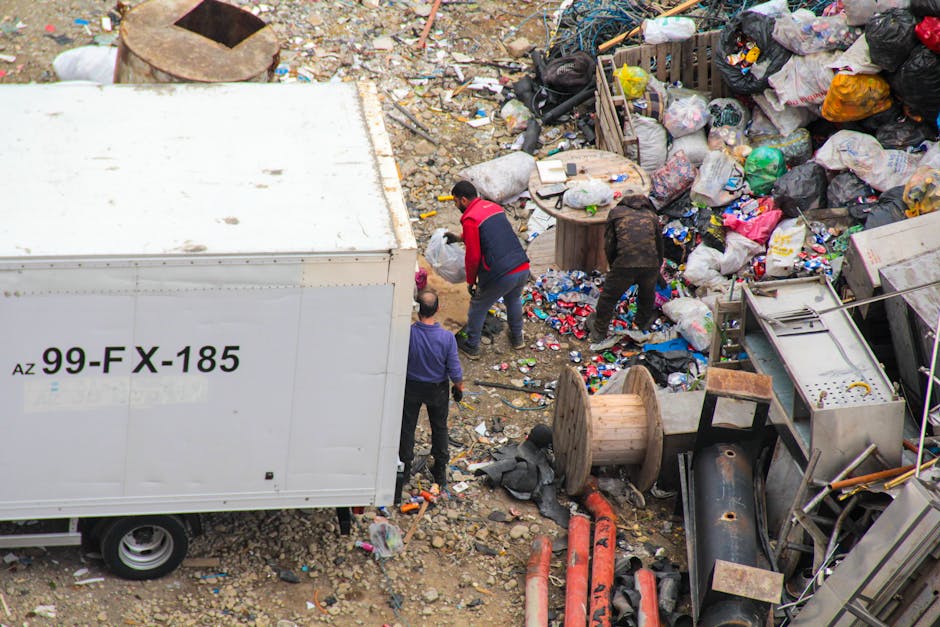
Different premises produce different kinds of waste, and it is often better to think in terms of load type rather than a single catch-all description. Shops may have cardboard, shelving and packaging; offices may have paperwork, chairs and electronics; food-related businesses may produce mixed waste from back-of-house areas; studios and workshops may have offcuts, damaged materials or redundant equipment. Each type needs to be described clearly so the collection is matched to the actual items involved.
We work with a broad range of commercial waste loads where the materials are suitable for removal. That can include routine items and awkward one-off clearances, provided the contents are described honestly and there are no surprises when the team arrives. If a load contains separate materials with different handling needs, it is best to list them in the enquiry rather than assume they all belong in the same category. A concise description of the job helps keep the process practical.
Quotations, timing and choosing the right scope

When you request a quotation, the main goal is to match the service to the actual waste rather than to a rough guess. The most useful information is usually the type of premises, the items to be removed, the approximate volume and any access concerns. If the load is spread across several rooms or stored in a basement, loft or back area, that should be mentioned too. A well-scoped enquiry gives a more reliable basis for planning and keeps the discussion focused on the work itself.
Not every commercial waste job needs the same level of service. Some customers need a simple collection of loose rubbish, while others need a fuller clearance of furniture, fixtures or stored items. If your requirement includes several kinds of waste, say so early and keep the description orderly. You can also request a quotation when you are ready to move ahead, and if you already know the collection window, include that with the enquiry. Request a quotation when it suits you and we will help shape the work around the details you provide.
For a more efficient response, send the core facts together rather than piecemeal. One clear message is better than several partial ones, especially where commercial waste is involved and the load may include mixed materials. If you would like to discuss the job first, begin with a simple description and then ask for a quotation once the scope is clear.