Health & Safety Policy — Commercial Waste Camden Town
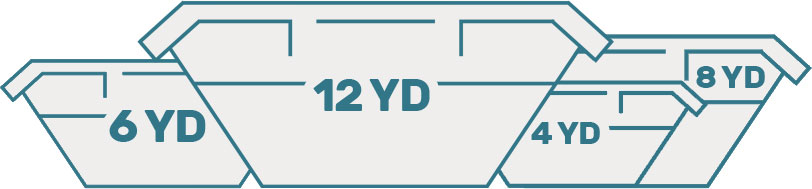 This Health and Safety Policy sets out the commitments, roles and responsibilities for the management of commercial waste and rubbish removal services operating in the Camden Town service area. The objective is to protect employees, contractors, clients, visitors and the public by reducing risk from handling, transporting and disposing of commercial rubbish. This policy applies to all activities associated with commercial waste collection, transfer, recycling and disposal and is reviewed regularly to reflect operational changes and regulatory expectations.
The organisation recognises its legal and moral obligations and aims to manage risk through robust procedures, training and supervision. Key principles include hazard identification, risk assessment, incident reporting, and continuous improvement. All staff and subcontractors engaged in commercial waste Camden Town collections must adhere to safe systems of work; failure to comply may result in disciplinary action or contract termination. Safety is integral to service delivery and environmental stewardship, not an optional extra.
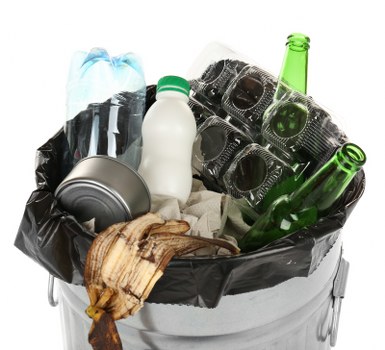 Scope: This policy covers collection of general commercial refuse, mixed recycling, secure waste, bulky waste and materials requiring segregation or specialist handling. It encompasses vehicle-based operations, manual handling of bags and containers, use of compactors and balers, working at premises and on-street loading activities for the rubbish company and associated partners. The policy supports segregation practices that minimise contamination and enhance recycling outcomes.
 Roles and Responsibilities: Senior management holds overall responsibility for setting standards, allocating resources and ensuring legal compliance for commercial waste disposal Camden Town services. Supervisors are responsible for implementing safe working procedures, conducting toolbox talks and ensuring competence. Employees must follow instructions, use provided personal protective equipment (PPE), and report hazards or incidents immediately. Contractors must demonstrate appropriate safety management systems before being engaged.
Risk Assessment and Control Measures
Risk assessments are carried out for all routine and non-routine activities. Controls are based on the hierarchy of elimination, substitution, engineering, administrative controls and PPE. Typical controls include:- Vehicle safety: pre-shift vehicle checks, secure loads, reversing alarms and high-visibility markings;
- Manual handling: mechanical aids, team lifts, safe lifting training and limits on bag weights;
- Hazardous materials: segregation, approved containers, MSDS availability and specialist disposal routes;
- Traffic management: safe loading zones, use of spotters and adherence to local traffic regulations;
- Infection control: hand hygiene, sanitising stations and procedures for handling contaminated waste.
Contract-specific risk assessments must be prepared when servicing unique premises, construction sites or events where waste streams differ from routine collections. These assessments inform method statements and permit-to-work requirements.
Training, Competence and Communication
All personnel engaged in commercial waste operations receive induction training covering safe working practices, incident reporting procedures and environmental responsibilities. Refresher training, practical competence checks and records of training are maintained. Communication channels include daily briefings, written procedures, and accessible health and safety documentation. Employees are encouraged to raise safety concerns and contribute to risk control improvements.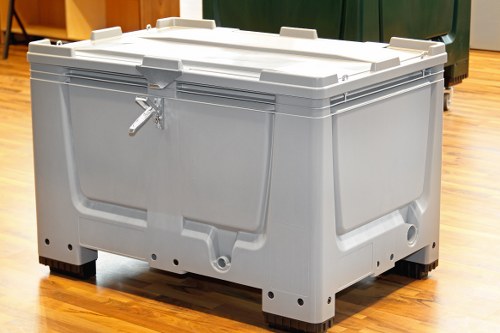 Incident Reporting and Investigation: All accidents, near-misses and dangerous occurrences must be reported without delay using the company reporting system. Incidents are investigated proportionately to prevent recurrence, with findings shared with staff and relevant contractors. Corrective actions are tracked to completion and the organisation uses lessons learned to update risk assessments and procedures.
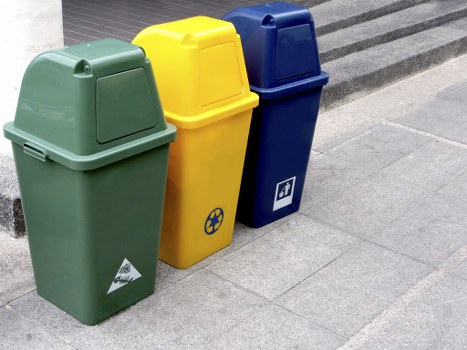 Monitoring, Auditing and Continuous Improvement: The company conducts scheduled audits, vehicle inspections and performance reviews to ensure compliance with this policy. Key performance indicators include incident rates, training completion, vehicle defect resolution times and regulatory compliance checks. Outcomes drive regular management reviews and resource allocation to maintain and enhance safety standards for commercial rubbish Camden Town operations.
Health and wellbeing measures support the workforce through occupational health access, fatigue management, and promoting ergonomic practices. Alcohol and drug policies are enforced to ensure fitness for work; testing and support mechanisms are available where required. Lone working arrangements include check-in procedures, mobile communications and risk-based controls to protect employees working away from base.
Emergency Preparedness: Emergency plans and procedures cover vehicle incidents, fires, spillage of hazardous substances and medical emergencies. Staff are trained in emergency response roles and fire evacuation procedures. Spill kits, first aid supplies and appropriate PPE are maintained and readily accessible in depots and on vehicles.
Policy review and governance: This policy is reviewed at least annually or following significant change, incident or legislative update. Management maintains documented evidence of reviews, audits, training and corrective actions. The policy is endorsed by senior management and communicated to all staff, contractors and clients where applicable to ensure consistent implementation across all commercial waste and rubbish collection activities in the service area.
By adhering to this policy, the organisation commits to delivering safe, compliant and responsible commercial waste services, protecting people and the environment while maintaining high operational standards for commercial waste management in Camden Town and surrounding districts.
