Same day rubbish collection in Camden High Street areas
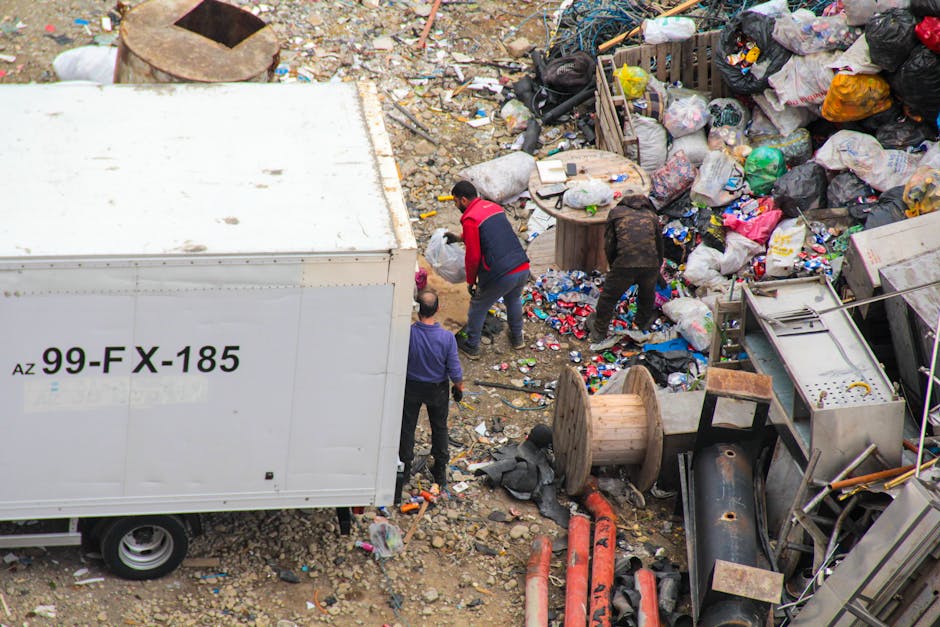
If you need Same day rubbish collection in Camden High Street areas, chances are the mess is already affecting your day. Maybe a shop has boxes and packaging stacked near the back entrance, a flat needs clearing before a move, or a refurbishment has left dust sheets, timber, and broken items in the way. Whatever the trigger, speed matters. So does getting the job done properly, without creating another problem you have to deal with later.
This guide explains how same day rubbish collection works in Camden High Street areas, what it is best for, the main benefits, the common mistakes people make, and how to choose a service that actually fits a busy London setting. You will also find a practical checklist, a comparison of options, and a clear FAQ section for those last-minute questions that always seem to appear at the worst possible time.
Why Same day rubbish collection in Camden High Street areas Matters
Camden High Street is busy, and that is putting it mildly. Deliveries, foot traffic, mixed-use buildings, narrow access points, and constant turnover in shops, flats, cafes, and offices all make waste build-up more noticeable. When rubbish starts taking up space, it can quickly affect safety, customer experience, and how smoothly a property runs.
Same day rubbish collection matters because delays are expensive in practical terms. A cluttered back office slows people down. A blocked corridor makes a simple job feel awkward. A pile of builders' waste outside a property can invite complaints. And if you are trying to hand over a flat or finish a project on time, waiting until tomorrow may not feel like an option at all.
There is also the simple reality of London living: space is tight. One overflowing bin bag can feel like a minor issue. Ten bin bags, a broken wardrobe, and a damaged fridge? That becomes a proper headache. You do not want waste hanging around for days in a high-visibility area where it can attract pests, cause odours, or create a poor impression. Truth be told, most people only realise how disruptive rubbish is when it is already in the way.
Expert summary: same day collection is not just about speed. It is about restoring usable space quickly, reducing disruption, and making sure waste is handled in a way that suits the property, the street, and the type of material involved.
How Same day rubbish collection in Camden High Street areas Works
The process is usually straightforward, but the details matter. A good collection service will ask what needs removing, where the waste is located, how easy access is, and whether any items need special handling. In a busy Camden setting, that first conversation is often where the real planning happens.
For many jobs, the timeline looks like this:
- You describe the rubbish, ideally with a rough list or a few photos.
- The collection team confirms whether same day attendance is possible.
- You agree the likely load size, access details, and price structure.
- The team arrives, loads the waste, and clears the area.
- The rubbish is sorted for reuse, recycling, or lawful disposal where appropriate.
That said, same day does not mean identical for every job. A handful of black bags from a flat is very different from a ground-floor office clearance or a bulky furniture pickup. Access can also change everything. If there is a lift, loading bay, timed entry, or narrow stairwell, those details need to be understood early. Camden properties often throw up small complications - a locked courtyard, a flight of stairs that seems to go on forever, or a parking spot that disappears just when you need it. London, eh.
In practical terms, the best same day rubbish removal is the one that is organised fast but still handled carefully. Speed should never mean guesswork.
If you want a broader overview of the service model, the main waste removal page is a useful starting point, while specific jobs may be better matched to targeted services such as office clearance or flat clearance.
Key Benefits and Practical Advantages
Same day rubbish collection is popular for a reason. When it is done well, it solves more than one problem at once.
- Fast space recovery: you get rooms, corridors, yards, or work areas back quickly.
- Reduced disruption: less clutter means less time lost moving things around.
- Better presentation: helpful for landlords, agents, businesses, and anyone expecting visitors.
- Lower stress: one less job hanging over your head, which counts for a lot on a packed day.
- Improved safety: loose waste, splintered furniture, and heavy items are removed before they cause trouble.
- More flexible than skip hire: especially where parking, permits, or street space are limited.
There is also a subtle benefit people often overlook: momentum. Once waste starts leaving the property, the whole place tends to feel manageable again. That sounds small, but it matters. A clean start often leads to better decisions about what to keep, donate, recycle, or replace.
For furniture-heavy jobs, the right approach may be to combine general rubbish removal with furniture-specific help such as furniture clearance or, where a couple of bulky pieces are involved, furniture disposal. If a mattress or sofa is the main issue, a more focused option like mattress and sofa disposal can be the cleaner fit.
Who This Is For and When It Makes Sense
This service is not only for emergencies, though emergencies do happen. It is also for situations where time, access, or cleanliness is at a premium.
Common users include:
- Shop owners clearing packaging, old fittings, or stockroom waste.
- Landlords and letting agents preparing a property between tenancies.
- Office managers dealing with obsolete desks, chairs, files, and general clutter.
- Builders and tradespeople needing fast removal of renovation debris.
- Homeowners and tenants facing a move, downsizing, or a last-minute tidy-up.
- People clearing garages, lofts, or gardens where waste has built up over time.
It makes sense when you cannot wait for a standard collection slot, when your property is hard to use safely with the waste in place, or when a missed deadline would cause knock-on issues. A lot of readers come to same day collection after trying the "I'll deal with it tomorrow" strategy a few times. It rarely ages well.
For more specialised situations, the relevant clearance route can make the whole process easier. For example, if the waste is mainly renovation debris, builders waste clearance is usually more appropriate. If it is a workplace move or a desk-heavy clear-out, business waste removal or office clearance may be the better fit.
Step-by-Step Guidance
If you want same day rubbish collection to run smoothly, preparation is half the job. The better the handover, the less time gets wasted on arrival.
1. Identify the waste clearly
Start by separating what is leaving from what is staying. It sounds obvious, but it is one of the biggest causes of delay. Put loose bags together, group bulky items in one place, and flag anything awkward like sharp material, appliances, or mixed waste.
2. Be honest about access
Access details matter more than people think. Is there parking close by? Are there stairs? Can a vehicle stop briefly outside? Is there an intercom or a loading restriction? In Camden High Street areas, small access issues can make a quick job much slower if they are not mentioned early.
3. Ask for a clear price explanation
A reliable provider should explain how the price is calculated. Usually this depends on load size, material type, labour, and access conditions. You do not need a lecture. Just a clear answer.
4. Confirm what happens to the waste
Good waste handling should not end at the door. Ask how reusable and recyclable materials are separated, and whether anything needs special treatment. For example, electrical items, fridges, and some upholstered goods may need different handling routes. If electrical or cooling equipment is involved, fridge and appliance removal is a sensible related service to consider.
5. Make sure the area is ready
Clear a path if you can. Move fragile items out of the route, unlock gates, and keep pets or customers away from the loading area. A tidy route speeds everything up. It also reduces the chance of little accidents - the kind that are annoying more than dramatic, but still.
6. Keep a short record
If the collection is for a business or landlord setting, note what was removed, when, and by whom. That helps if you need to show the space has been cleared or if you are juggling multiple contractors.
Expert Tips for Better Results
A few simple habits make same day rubbish collection noticeably easier.
- Group similar items together. Mixed piles take longer to assess.
- Take quick photos before booking. It helps with pricing and avoids awkward surprises.
- Separate hazardous or unusual items early. Do not bury them in a general pile.
- Use room-by-room thinking. That works especially well for house, loft, or garage clearances.
- Be realistic about volume. A "small amount" can be three times bigger in person.
- Choose the right service type. A dedicated clearance is often more efficient than trying to force everything into one generic collection.
One practical tip from real-world jobs: if you have a mix of furniture, cardboard, and a few broken household items, put the bulky pieces nearest the access point. The collection team can then load the heaviest items first and work faster. Small thing, big difference.
If you are dealing with a more domestic clear-out, options such as home clearance, house clearance, loft clearance, or garage clearance may suit the job better than a general rubbish pickup. The best result is usually the one that matches the actual mess, not the label you first used for it.
Common Mistakes to Avoid
Most problems with same day rubbish collection come from rushed assumptions, not from the collection itself. A few mistakes show up over and over.
- Leaving items scattered. This slows loading and can cause missed items.
- Forgetting access constraints. A simple job can become a complicated one if parking or entry is tight.
- Mixing normal waste with restricted items. Some materials need separate handling.
- Choosing by speed alone. The fastest option is not always the best fit.
- Not checking what is included in the quote. Make sure labour, loading, and disposal are all understood.
- Waiting until the last minute for bulky items. Heavy furniture and appliances need more planning than bin bags.
There is a common tendency to think, "It's only a few items, how hard can it be?" Then you move one broken cabinet and discover it weighs more than expected, the hallway is tighter than you remembered, and the lift is already in use. Happens all the time.
One more thing: do not leave confidential papers, hard drives, or sensitive records in with general waste unless you are certain they are being handled correctly. If shredding is needed, confidential shredding is the better route.
Tools, Resources and Recommendations
You do not need specialist equipment to prepare for a same day collection, but a few practical tools help.
- Phone camera: useful for photographing the waste pile before collection.
- Basic gloves: handy if you are sorting through dusty or awkward items.
- Marker pen and tape: helpful for labelling what should stay and what should go.
- Flat-packing tools: worth keeping nearby if bulky furniture can be dismantled safely.
- Room-by-room list: especially useful for larger home or office clearances.
For residents and businesses wanting to understand service fit before booking, these pages can help you narrow things down:
- pricing and quotes for understanding how estimates are usually approached
- recycling and sustainability for responsible disposal expectations
- insurance and safety for reassurance around handling and working practices
- health and safety policy if you want to see how safety is approached in practice
- payment and security if you want comfort around the admin side
If the waste is likely to involve mixed building materials, it is also worth looking at what can go in a skip. Even if you are not hiring a skip, the guidance can help you understand what needs separate handling and what should not be mixed casually into one pile.
Law, Compliance, Standards, or Best Practice
Waste collection in the UK is not something to treat casually. You do not need to become an expert in environmental law to book a collection, but you should expect the waste to be handled responsibly and lawfully.
In practical terms, best practice means:
- waste is collected by people who understand what they are taking
- items are sorted where possible for reuse or recycling
- restricted materials are not mixed in without proper handling
- records, receipts, or job details are available when needed
- the work is carried out safely for residents, workers, and the public
For businesses, landlords, and managing agents, there is an added expectation of care. If a waste pile sits outside for too long, or if items are left in shared access areas, that can create nuisance, safety risks, and complaints. Best practice is to move quickly, document what was removed, and avoid leaving anything to chance.
If you are arranging removal of furniture, appliances, or hazardous materials, make sure those items are identified before the visit. Hazardous or difficult waste should not be handled as ordinary rubbish. Where relevant, dedicated services such as hazardous waste disposal are the safer route, even if that means the job takes a little more coordination.
To be fair, compliance sounds dry until it protects you from a very inconvenient mistake. Then it starts making a lot more sense.
Options, Methods, or Comparison Table
Not every clearance job needs the same method. If you are deciding quickly, this comparison should help.
| Option | Best for | Strengths | Watch-outs |
|---|---|---|---|
| Same day rubbish collection | Urgent, mixed, or bulky waste | Fast response, minimal disruption, flexible for awkward access | Needs clear description and realistic expectations |
| Skip hire | Larger ongoing projects | Good for self-loading over time | May need space, permits, and more planning |
| Dedicated clearance service | Rooms, flats, offices, or specific item types | Better suited to furniture, appliances, or full property clear-outs | Less ideal if you only have a few lightweight bags |
| Specialist item removal | Fridges, sofas, mattresses, or appliances | Correct handling of awkward or regulated items | May need item-specific planning |
If you are unsure which route to take, think about the shape of the job, not just the volume. A small number of awkward items can be more complicated than a bigger pile of loose waste. That is one of those annoyingly human truths no one tells you upfront.
Case Study or Real-World Example
Here is a realistic example. A small retailer near Camden High Street closes early after a stock refresh and suddenly needs old display units, flattened packaging, damaged shelving, and a few heavy items removed before the next trading day. The back area is cramped, staff still need to access storage overnight, and the street outside is already busy with evening footfall.
In that situation, same day rubbish collection works because it solves the problem in one visit. The shop team sends a few photos, explains access, and separates the rubbish from what still needs to stay on site. The collection is completed while the premises are still open, which means the entrance is cleared, the storage route is usable again, and the shop can reopen the next morning without a half-finished mess hanging around.
Now compare that with a flat clear-out after a tenancy ends. The biggest issue is often not the total amount of rubbish but the mix of items: a sofa, broken chairs, bags of mixed household waste, and a fridge that needs its own handling. That is why it is useful to think in service categories. A combined visit might include flat clearance plus a more specific item service, rather than trying to treat everything as one generic pile.
These jobs go best when people are honest at the start. A clear photo, a straightforward description, and a realistic time window can make the difference between a smooth same day job and a messy scramble. And nobody needs more of the second kind.
Practical Checklist
Use this before your collection arrives. It saves time and avoids the silly little oversights that slow everything down.
- Have I listed everything that needs removing?
- Have I separated items that must stay?
- Are the waste items grouped in one accessible place?
- Have I mentioned stairs, parking, gates, lifts, or loading restrictions?
- Do any items need special handling, such as appliances or sharp materials?
- Have I asked how pricing is worked out?
- Do I know whether the job is best treated as general rubbish removal or a specialist clearance?
- Is the route to the waste pile clear and safe?
- Have I protected fragile surfaces or communal areas where needed?
- Have I confirmed the collection time and contact details?
If you are clearing a property end-to-end, you may also want to review whether the job needs house clearance or home clearance rather than a basic waste pickup. Matching the service to the task is one of the quickest ways to avoid waste, both literally and financially.
Quick takeaway: the less guesswork there is on the day, the faster and calmer the collection tends to be.
Get a free quote today and see how much you can save.
Conclusion
Same day rubbish collection in Camden High Street areas is at its best when it is fast, practical, and well matched to the situation in front of you. That might mean a few urgent bin bags after a tidy-up, a bulky furniture pickup before a move, or a more involved clearance after works or a tenancy change. The principle is the same: deal with the waste quickly, safely, and without leaving the day feeling even more cluttered than it started.
In a place like Camden High Street, where access can be tight and schedules move quickly, having a clear plan matters. Think about the access, the item types, the timing, and the end result you want. If you do that, the whole process becomes easier than people expect. Not effortless, exactly. But manageable. And sometimes that is a relief in itself.
For anyone staring at a pile of rubbish and wondering how on earth it is going to disappear by tonight, the good news is that a well-organised same day collection can turn the whole situation around surprisingly quickly. One call, one visit, one less thing to worry about.
Frequently Asked Questions
What counts as same day rubbish collection in Camden High Street areas?
It usually means waste is assessed and collected on the same calendar day, subject to availability, access, and the type of rubbish involved. The exact timing depends on how busy the schedule is and how straightforward the job looks.
Can bulky items be removed on the same day?
Yes, often they can. Furniture, mattresses, and similar bulky items are common same day requests, provided access is workable and the items are described clearly in advance.
Is same day collection suitable for offices and shops?
Very often, yes. It is especially useful for office clear-outs, retail packaging, or end-of-day tidy-ups when you need the space clear before business resumes.
Do I need to sort my waste before the team arrives?
You do not always need to sort everything into perfect categories, but grouping items and separating anything unusual definitely helps. The more organised the pile, the quicker the job tends to go.
What if I have fridges, appliances, or other awkward items?
Tell the provider before booking. Items like fridges and appliances often need specific handling, so it is better to flag them early rather than leave them in with general rubbish.
Is same day rubbish collection more expensive than a standard booking?
It can be, depending on urgency, access, load size, and labour required. That said, the real value often comes from speed and convenience, especially when delaying the job would cause more disruption.
How can I prepare a Camden High Street property for collection?
Clear the route, group waste together, mention parking or stair access, and keep fragile or valuable items away from the loading area. A little prep goes a long way.
What happens to the rubbish after it is collected?
Responsible services aim to sort materials where possible for reuse or recycling, with the rest handled through lawful disposal routes. Mixed waste, bulky furniture, and special items may be processed differently.
Can I book same day rubbish collection for a flat with no lift?
Yes, many jobs in flats are manageable even without lift access. It helps to mention stair count, tight corners, and any entry restrictions so the team can plan properly.
What should I avoid putting in with general rubbish?
Anything hazardous, highly restricted, or clearly specialist should be mentioned separately. If you are unsure, ask first rather than guessing. That is usually the safest move, and the least messy one.
Is this service good for last-minute move-out clearances?
Absolutely. Same day collection is often chosen for move-outs, tenancy changes, and property handovers because it clears space quickly and helps avoid delays.
How do I know whether I need waste removal or a fuller clearance service?
If the job is a small, mixed pile, general waste removal may be enough. If you are clearing a room, flat, office, loft, garage, or similar space, a more specific clearance service is usually the better fit.
When in doubt, start with the shape of the job, not the label. That simple shift usually leads to a much better result.